Tamil Refugee Facing Deportation Raises Fresh Human Rights Concerns
By Fahath A.Majeed, Cheif
A controversial deportation case involving a Tamil refugee in Canada has reignited global concerns about the safety of returnees to Sri Lanka, particularly those linked to the aftermath of the civil war.
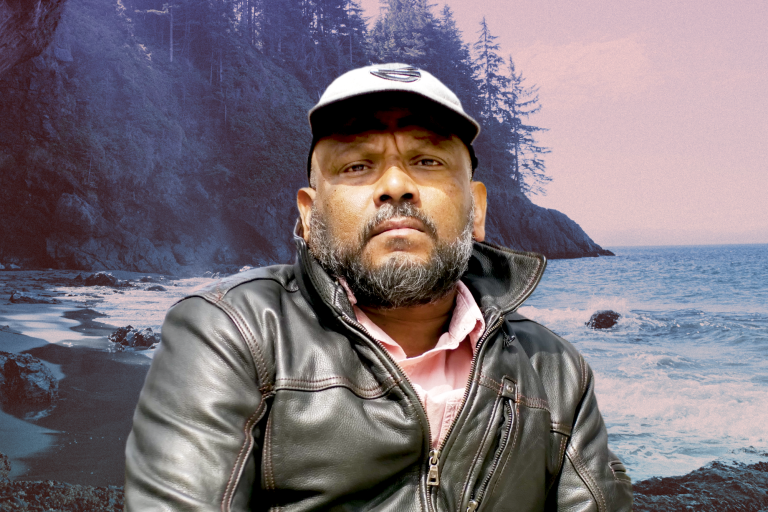
Kumar Thuraisinkam, a Tamil asylum seeker who arrived in Canada in 2010 aboard the now well-known vessel MV Sun Sea, is currently facing deportation after more than 15 years of living in the country without permanent legal status. His case has drawn widespread attention from human rights advocates, legal experts, and members of the Tamil diaspora.
A Journey Marked by Trauma and Uncertainty
Thuraisinkam was among nearly 500 Tamil refugees who undertook a dangerous and overcrowded sea journey across the Pacific Ocean in search of safety. The group fled Sri Lanka in the aftermath of the civil war, fearing persecution and violence.
Upon arrival in Canada, he immediately filed for asylum. However, his refugee claim was rejected in 2012 due to inconsistencies cited by authorities. Subsequent appeals and legal efforts failed to reverse the decision, leaving him in a prolonged state of uncertainty.
Over the years, Thuraisinkam has reportedly endured severe hardships, including periods of homelessness, detention, and separation from his family. Legal documents also highlight struggles with mental health and addiction, believed to stem from trauma experienced during both the war and his perilous journey to Canada.
Fear of Persecution Upon Return
The central concern in this case is the risk Thuraisinkam may face if deported back to Sri Lanka.
According to legal submissions presented in Canadian courts, he fears imprisonment, torture, and even death upon return. These fears are not unfounded, as reports have documented cases of Tamil deportees being detained and abused by Sri Lankan authorities.
Human rights organizations and international observers have repeatedly raised concerns about ongoing violations in Sri Lanka, including arbitrary detention, custodial deaths, and the use of torture under security laws such as the Prevention of Terrorism Act.
Evidence cited in court includes incidents involving other passengers from the MV Sun Sea who were allegedly subjected to mistreatment after being returned to Sri Lanka. These cases have strengthened arguments that deportation could expose Thuraisinkam to serious harm.
Legal and Administrative Controversies
The case has also highlighted troubling procedural issues within the immigration system.
Thuraisinkam’s legal team claims that errors were made in official documents, including incorrect information about his arrival date in Canada. There are also allegations that he was asked to sign documents without fully understanding their contents.
Furthermore, his earlier legal representation has come under scrutiny, with claims that crucial evidence—particularly regarding the risks faced by Tamil returnees—was not properly presented during his initial asylum hearings.
In a significant development, the Canadian Federal Court recently intervened, stating that authorities had failed to adequately assess the risks he would face if deported. The court emphasized that new evidence regarding the treatment of Tamil returnees must be carefully examined before any removal decision is finalized.
Political Sensitivities and Public Debate
Adding to the controversy is the role of Canada’s Public Safety Minister, who has the authority to intervene in deportation cases.
The minister, himself of Tamil origin and previously an advocate for refugee rights, has come under criticism for not stepping in to halt the deportation. This has sparked debate within Canada about immigration policies, political accountability, and the treatment of refugees.
Human rights activists argue that the case reflects broader systemic issues in how asylum claims—particularly those involving war-affected communities—are assessed and handled.
Wider Implications for Sri Lanka
The situation has also drawn attention within Sri Lanka, where concerns persist over the country’s human rights record, especially in relation to Tamil communities.
Despite the end of the civil war in 2009, international reports continue to highlight allegations of surveillance, intimidation, and abuse targeting Tamils, particularly those suspected of links to past separatist movements.
For many observers, the Thuraisinkam case underscores the ongoing vulnerability of Tamil returnees and raises questions about whether sufficient safeguards exist to ensure their safety.
A Case That Resonates Beyond Borders
As legal proceedings continue, Thuraisinkam’s future remains uncertain. His case has become symbolic of the broader struggles faced by refugees who flee conflict zones only to encounter prolonged legal battles and the threat of forced return.
For the Tamil diaspora and human rights advocates, the outcome of this case will likely have far-reaching implications—not only for those seeking protection abroad but also for the international community’s approach to refugee protection and accountability.
Conclusion
The impending deportation of Kumar Thuraisinkam has become more than an individual legal matter. It is now a test case that brings into focus critical issues of human rights, justice, and the responsibility of nations toward vulnerable populations.
As the world watches closely, the decision will carry significant weight—both for one man’s future and for the broader principles of refugee protection and human dignity.